
Whoa! This space moves fast.
People build fancy dApps every week.
But integration problems keep creeping up.
Seriously? Yes — and they bite users where it counts: funds, privacy, and unexpected transaction behavior.

Here’s the thing. A lot of wallet-dApp interactions look fine on a superficial level.
You approve a transaction, the smart contract method matches what the UI promised, and the chain processes the tx.
Yet behind that neat flow there are messy details: token approvals that outlive their usefulness, signature schemes that leak data, and transaction ordering risks that turn simple swaps into expensive losses.
Initially I thought permission models would be the main battleground, but then realized MEV and subtle UI-to-contract mismatches are often the real villains.

On one hand, developer UX wants frictionless approvals so users don’t drop off.
On the other hand, security folks keep telling us to add granular permissions, timeouts, and allowance caps.
Though actually—there’s a middle path.
You can design for both safety and convenience if you simulate the transaction and show the user a clear, actionable summary before they sign.
My instinct says that simulation-first flows reduce mistakes dramatically. I’m not 100% sure about the exact percentage, but practitioners report much lower reversal rates when previews are accurate.
Let’s break this down. First, dApp integration pitfalls to watch for.
Second, how to assess those risks in the wallet context.
Third, practical MEV protections that don’t turn UX into punishment.
Along the way I’ll point out trade-offs, common blind spots, and a few patterns that actually help in production.

Short list: token approvals, calldata ambiguity, reentrancy surface, oracle dependencies, and gas-estimation failures.
These seem obvious, but they show up in new guises all the time.
For example, token approvals are not just “approve max” vs “approve exact”.
They interact with wallet caching, dApp heuristics, and formerly deprecated ERC behaviors.
If the wallet preserves a stale allowance on-chain while the dApp assumes allowances are fresh, confusion and potential exploitation follow.
Check this out—simulation matters.
A preflight simulation that runs the same EVM path the dApp will take can reveal reverted calls, unexpected token transfers, and additional approvals requested by intermediaries.
This is very very important.
When a wallet shows “1) call transferFrom, 2) call swap, 3) send dust” the user’s mental model becomes realistic.
Users can then decide to refuse, adjust slippage, or break a combo transaction into atomic steps.
Why risk assessment must be layered (and practical)
Think of risk assessment like a checklist plus live simulation.
A static checklist flags known red flags: unlimited approvals, unknown contract addresses, multisig-required methods, and unusual function selectors.
But static checks miss runtime traps.
A layered approach adds call tracing, gas profiling, and off-chain heuristics that detect suspicious flows.
This mix gives a wallet enough context to present concise warnings rather than nagging modal after modal.
To implement this, wallets should integrate three capabilities: a robust static analyzer, fast on-node simulation, and a policy layer that maps findings into UX decisions.
Policy is crucial.
You can surface every single low-severity item or you can cluster things into actionable buckets like “dangerous”, “verify”, and “informational”.
Users will ignore a long list.
They won’t ignore a red banner that says “This contract may drain non-ERC20 assets.”
Oh, and by the way… make the language plain. Legalese kills comprehension.
Now, MEV—miner/Maximal Extractable Value—feels abstract to many users, but its effects are painfully concrete: frontruns, sandwich attacks, and failing transactions sandwiched between gas gouges.
Wallet-level MEV protections can meaningfully reduce user harm without requiring protocol-level changes.
Techniques include private transaction relay integration, fee-bumping heuristics that avoid predictable frontruns, and smart bundling that combines dependent txs into atomic groups.
Private relays are powerful.
They let wallets route transactions away from public mempools, decreasing the chance a bot sniffs and exploits them.
Yet they introduce trust trade-offs: you’re placing faith in the relay operator to faithfully deliver your transaction.
So assess the relay’s reputation, transparency, and decentralization before baking it into default UX.
I’m biased toward opt-in by default, but many users prefer seamless protection without extra steps—so choice matters.
Another practical measure: transaction simulation for MEV detection.
Run the pending transaction against recent mempool states.
If there’s a profitable sandwich pattern that targets your exact token pair, warn or adjust gas strategy.
Yes, false positives happen.
But it’s better to give users a clear choice than nothing at all.
Integration patterns that help:
- Expose function-level intent to the wallet via a secure metadata layer, so the wallet can show “This will add liquidity” not just “send call to 0xAbC…”.
- Support selective allowance flow: default to explicit allowances with easy UX for experienced users to batch when needed.
- Make simulation results actionable: highlight the exact token amounts that could change, the contracts touched, and an estimated worst-case gas outlay.
Risk assessment is not solely technical.
Design influences behavior.
When wallets nudge users toward safer defaults—like timebound allowances or a confirmation step for contract upgrades—users adopt them more than you’d expect.
This behavioral layer reduces the attack surface across millions of small transactions.
One more thing that bugs me: over-reliance on heuristics that fail in edge cases.
Systems that auto-reject “suspicious” transactions often block legitimate advanced DeFi flows.
So allow power users to override with clear exposure notices.
Think: “You chose to proceed despite flagged risks. You accept responsibility.”
That preserves capability without sacrificing safety for everyone else.
FAQ
How should wallets simulate transactions effectively?
Run EVM call traces against a near-real-time node or a dedicated simulation engine.
Include token transfer analysis, internal calls, and estimate gas under multiple price scenarios.
Present results succinctly: show net token deltas, external contract calls, and any approvals requested.
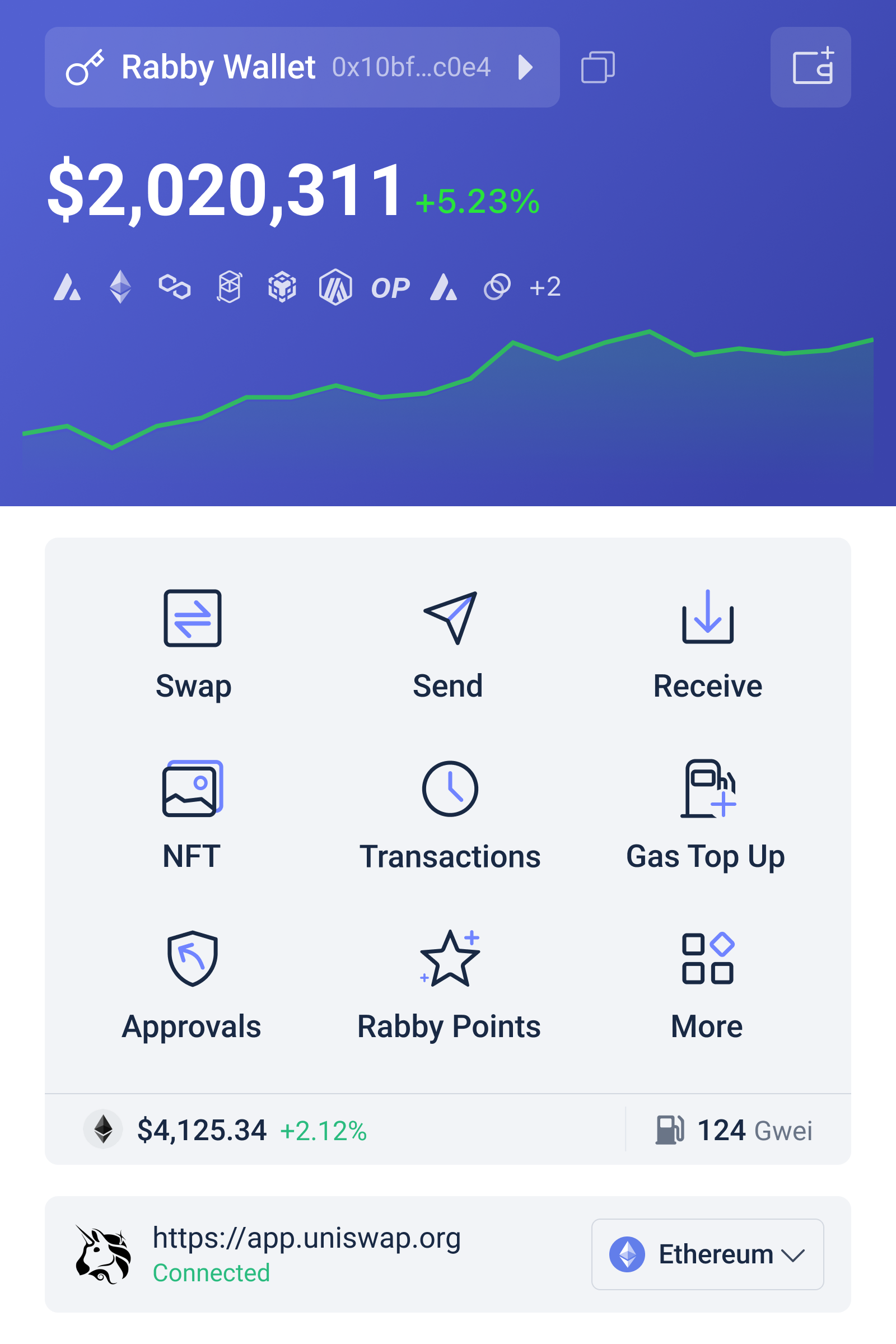
If you want a reference or starting point for implementing user-friendly flows, check out https://rabby-wallet.at/ for ideas on how simulation and UX can come together without overwhelming users.
Is MEV protection perfect?
No.
MEV mitigation reduces risk but doesn’t eliminate it.
Expect trade-offs: latency, reliance on relays, or occasional failed optimizations.
The goal is to lower expected value extracted from users while keeping the experience reasonable.
Monitor, iterate, and be transparent about limits.